
The Process Behind Multifamily Photography and Video
A strategic, lighting-driven approach to multifamily photography and video
Multifamily projects are complex. Multiple stakeholders, tight timelines, and a need for content that works across leasing, marketing, and long-term brand positioning.
My process is designed to bring clarity to that complexity. From early planning through final delivery, every step is built to create cohesive imagery that reflects the architecture, supports leasing, and elevates the overall perception of the property.
Rather than treating photography and video as a single day of production, I approach each project as a sequence of intentional phases. It begins with understanding the goals of the project and how the space needs to perform visually. From there, we align on creative direction, plan around light and logistics, execute with precision on site, and refine everything in post to ensure consistency across the final deliverables.
What follows is a breakdown of that process, from the first conversation through final delivery.
1 | Before the Shoot
Before anything is scheduled, we define what the content needs to accomplish.
Not all multifamily media serves the same purpose. Some projects need fast, clean leasing visuals to get units online quickly. Others call for a more elevated, brand-driven approach that positions the property within a competitive market. The goal is to align early so the photography and video are built with intention, not just coverage.
At this stage, we’re not just talking about what to shoot. We’re defining what success looks like.
For some teams, success means creating a strong first impression across listing platforms and driving immediate leasing activity. For others, it’s about building a long-term visual library that supports marketing campaigns, press, investor materials, and future developments. Often, it’s a balance of both.
This phase ensures we’re aligned on that outcome before moving forward.
This may include:
Defining deliverables (photo and/or video)
Understanding target audience and leasing goals
Identifying priority spaces (units, amenities, exteriors)
Aligning on timeline, including twilight or seasonal considerations
Determining whether lifestyle, styling, or talent is needed
When this phase is done well, the shoot becomes far more efficient and the final imagery works harder. It’s not just documenting the property, it’s creating visuals that are purposeful, usable, and aligned with how the project needs to perform in the real world.
2 | Creative Direction & Alignment
For larger developments or projects involving multiple stakeholders, creative alignment is critical.
Once the goals of the project are defined, we translate that into a clear visual direction. This is where the work starts to take shape creatively, not just logistically.
I develop simple treatment decks or curated visual references to help define:
Tone and mood of the imagery
Lighting direction and time-of-day strategy
Composition and level of detail
The balance between editorial and leasing-focused imagery
How photography and video will work together as a cohesive set
These aren’t overbuilt presentations. They’re practical tools to get everyone aligned on what we’re creating and why, before we step on site.
A key part of this phase is determining whether to incorporate people into the imagery.
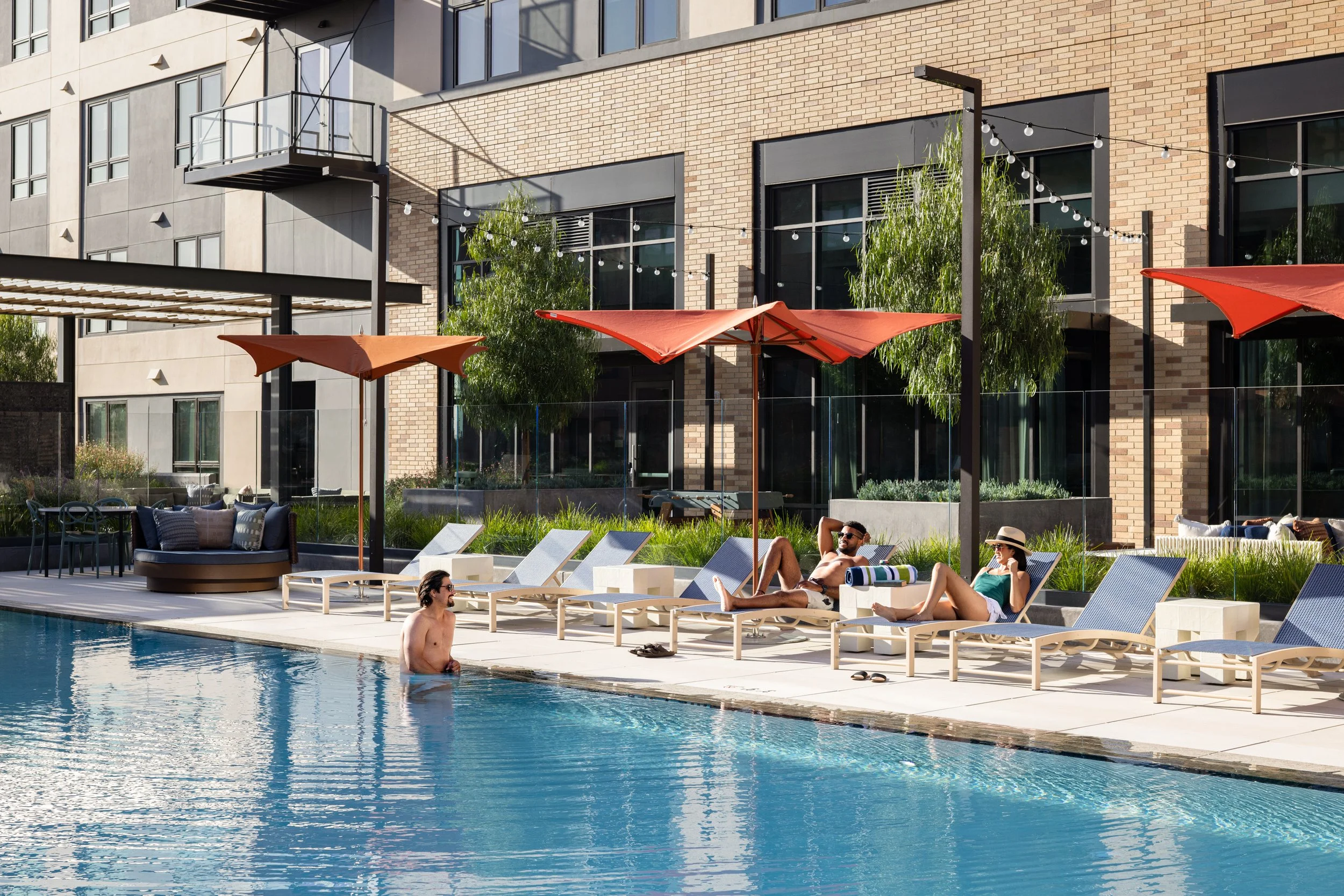
In multifamily work, talent can play an important role when used intentionally. Rather than simply filling a space, the goal is to suggest how it feels to live there. This might mean:
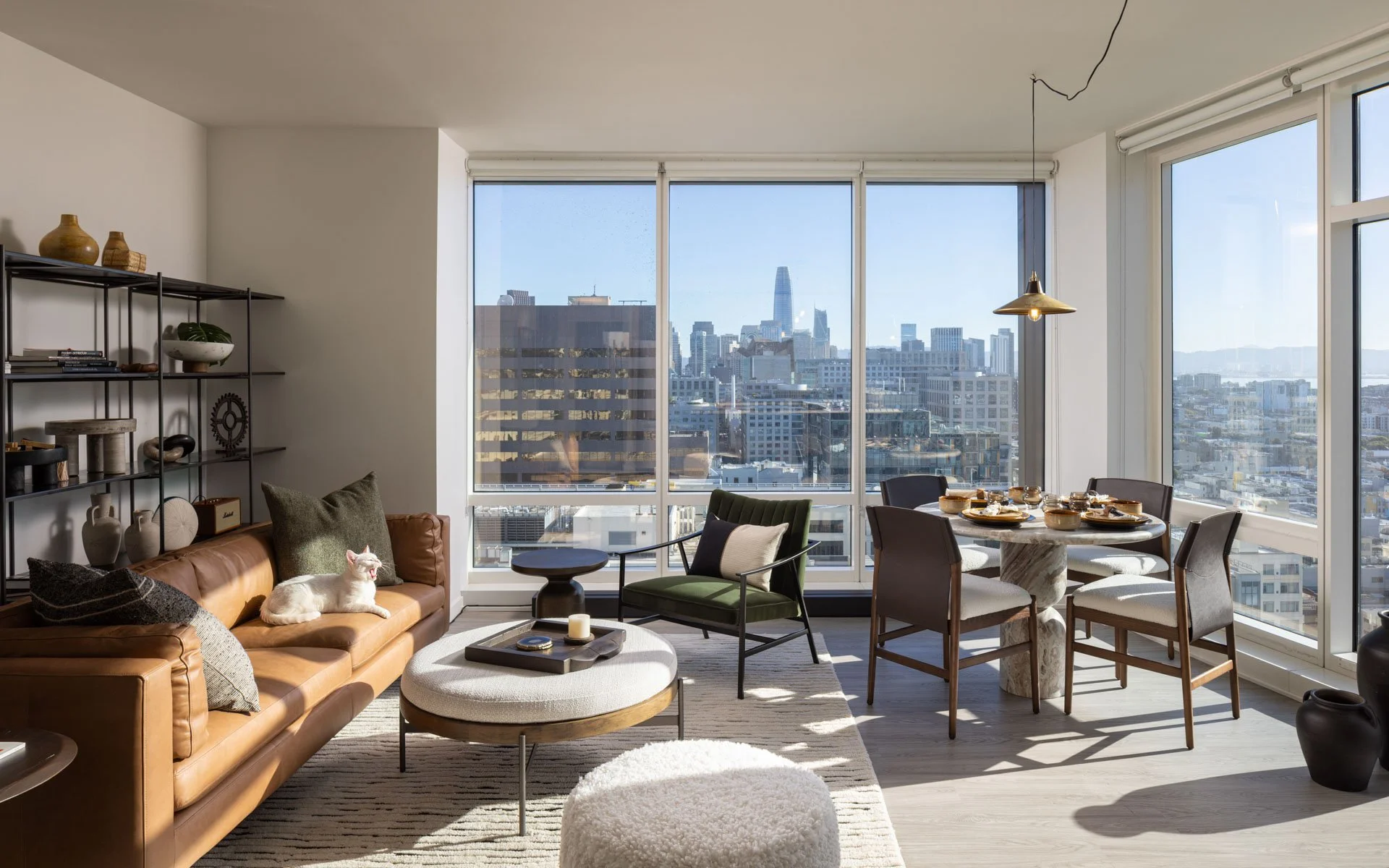
Subtle, lifestyle-driven moments that bring scale and warmth to amenities
Movement and energy in video that helps spaces feel active and lived in
Grounded, natural interactions that don’t distract from the architecture
Not every project requires talent, but when it’s included, it’s carefully considered. Wardrobe, casting, and direction are all aligned with the overall tone so the presence of people enhances the space rather than competing with it.
This phase also helps streamline decision-making across teams. Developers, designers, and marketing teams can all align around a shared visual language, reducing guesswork on shoot day and ensuring consistency across all deliverables.
Ultimately, creative direction is what allows the final work to feel cohesive, intentional, and true to the project, rather than a collection of disconnected images or clips.
3 | Pre-Production
Once direction is established, we move into logistics and planning.
This is where the project becomes executable. Every decision made here is designed to support efficiency on site and ensure we’re capturing each space under the right conditions.
Pre-production is where timing, coordination, and preparation come together. For multifamily projects especially, this step is critical. Multiple spaces, teams, and priorities all need to align within a limited window.
This phase may include:
Shot lists and schedule buildout
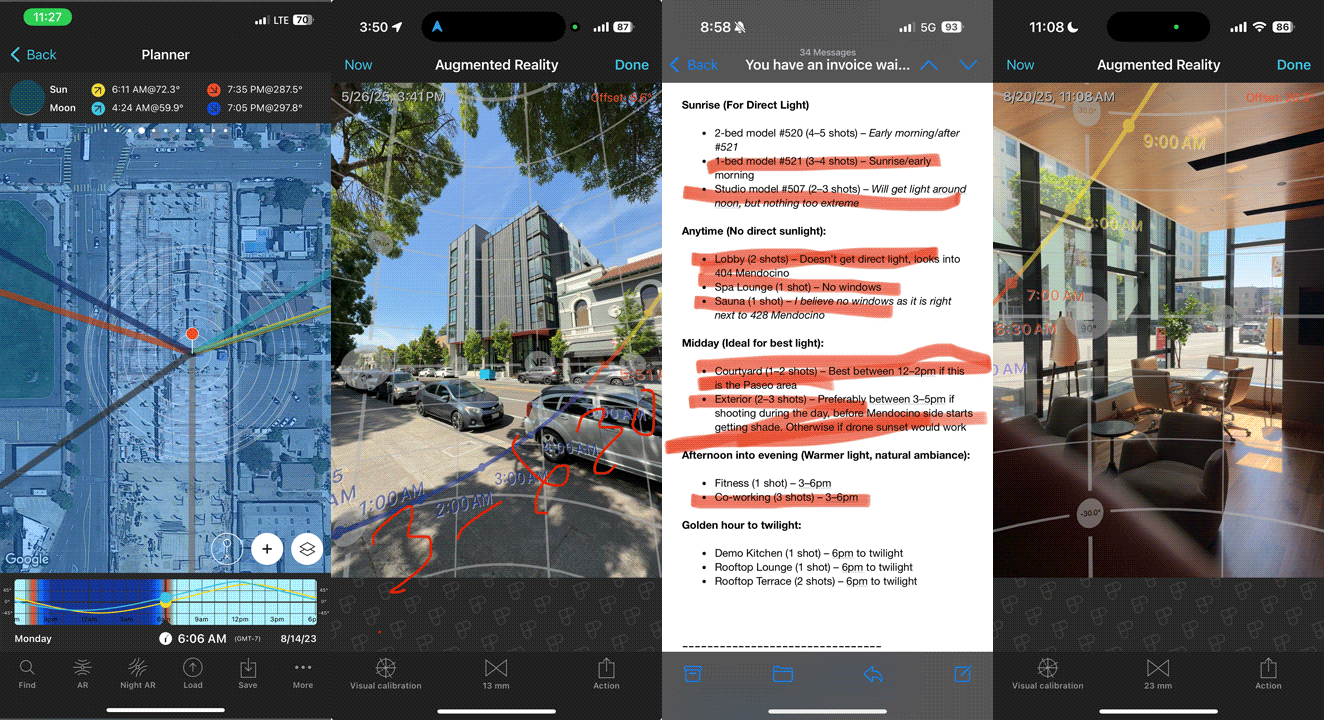
Sun studies and lighting timing based on orientation
Coordination with property management and leasing teams
Talent sourcing, scheduling, and call sheets (if needed)
Styling coordination and prop planning
Access, staging, and readiness checks across all spaces
A large part of this process is built around light. Understanding how sunlight moves through the property allows us to schedule each space at the moment it will look its best, rather than trying to fix it later.
It’s also where we pressure-test the day. Are units fully staged? Are amenities clean and camera-ready? Are there any constraints around access, residents, or timing? Addressing these details in advance prevents delays and compromises once production begins.
For shoots involving talent, this is where everything is locked in. Casting is finalized, wardrobe is aligned with the creative direction, and timing is coordinated so talent is used efficiently without slowing down the overall schedule.
When pre-production is done well, the shoot runs with clarity and momentum. There’s less guesswork, fewer interruptions, and more space to focus on capturing the architecture with intention.
The goal is simple: remove friction on shoot day so the focus stays on capturing the space at its best.
4 | Production
On site, everything comes down to timing, light, and efficiency.
Multifamily shoots often involve capturing a significant amount of content across multiple spaces within a limited window. The difference between average and strong results is rarely effort, it’s precision. My approach is to prioritize the right moments rather than overshooting, focusing on when each space is at its best.
This typically includes:
Interior and exterior photography aligned to ideal light
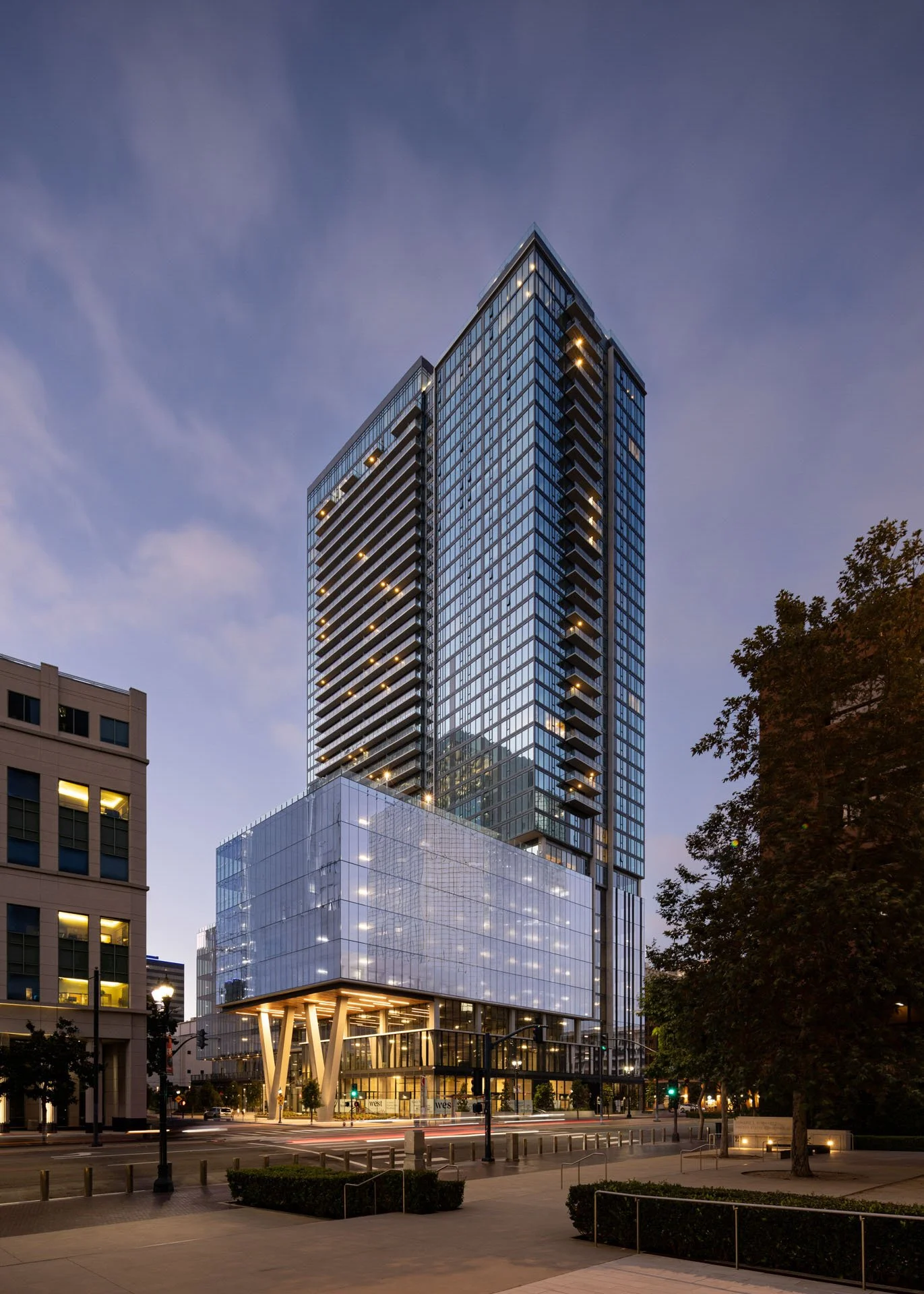
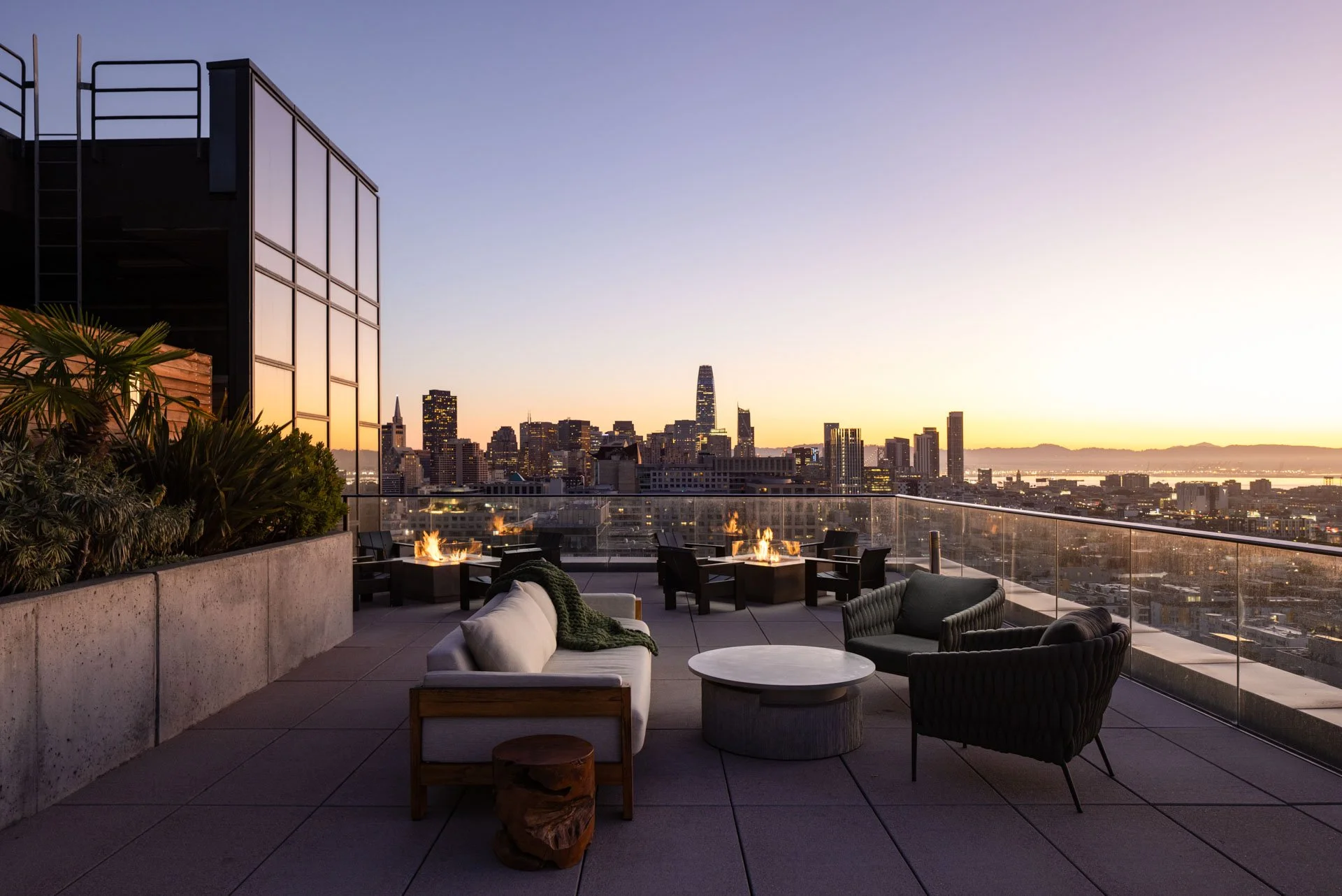
Twilight or early morning captures when the project calls for it
Drone imagery to establish context, scale, and surroundings
Lifestyle moments to bring energy and a sense of use into key spaces
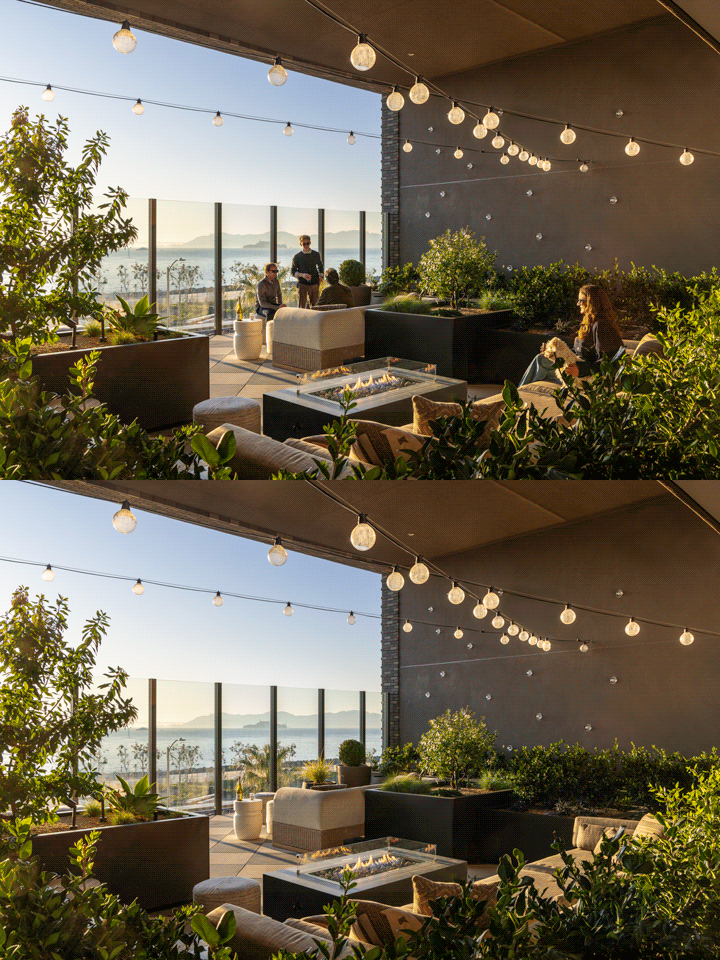
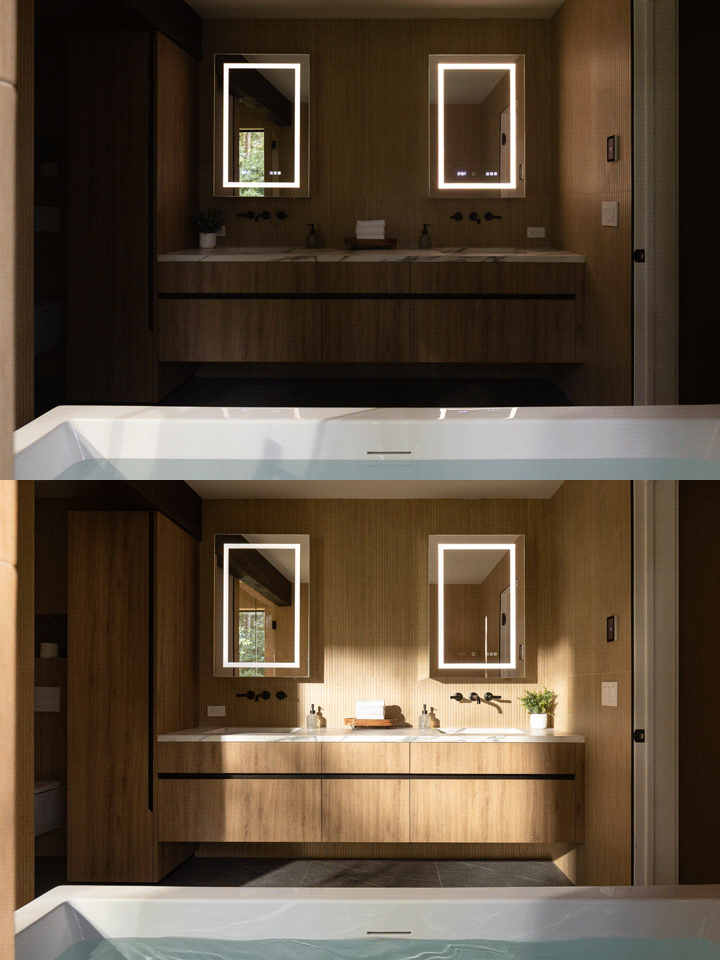
Throughout the day, the schedule is built around how light moves through the property. Interiors are captured when natural light is most supportive, while exteriors and amenities are timed to avoid flat or uncontrolled conditions. When needed, I use strobes, modifiers, and scrims to shape light in a way that enhances depth and texture without losing realism.
There’s also a constant balance between efficiency and intention. Multifamily environments are active. Leasing teams, residents, and property operations are all in motion, so the shoot needs to move with purpose while remaining adaptable.
For projects that include talent, direction becomes a key part of the process. Rather than staging overly posed moments, I guide natural interactions that feel believable within the space. Timing is critical here as well, ensuring talent is integrated seamlessly into the schedule without slowing down production.
From a medium standpoint, photography and video are approached differently but captured with a shared intent.
For photography, the focus is on composition, light shaping, and detail. Each frame is considered and built with care.
For video, it’s about pacing, movement, and how spaces connect. The goal is to create a sense of flow, showing not just what the property looks like, but how it feels to move through it.
When everything is working together, the result is a cohesive set of visuals that feel intentional, consistent, and true to the architecture.
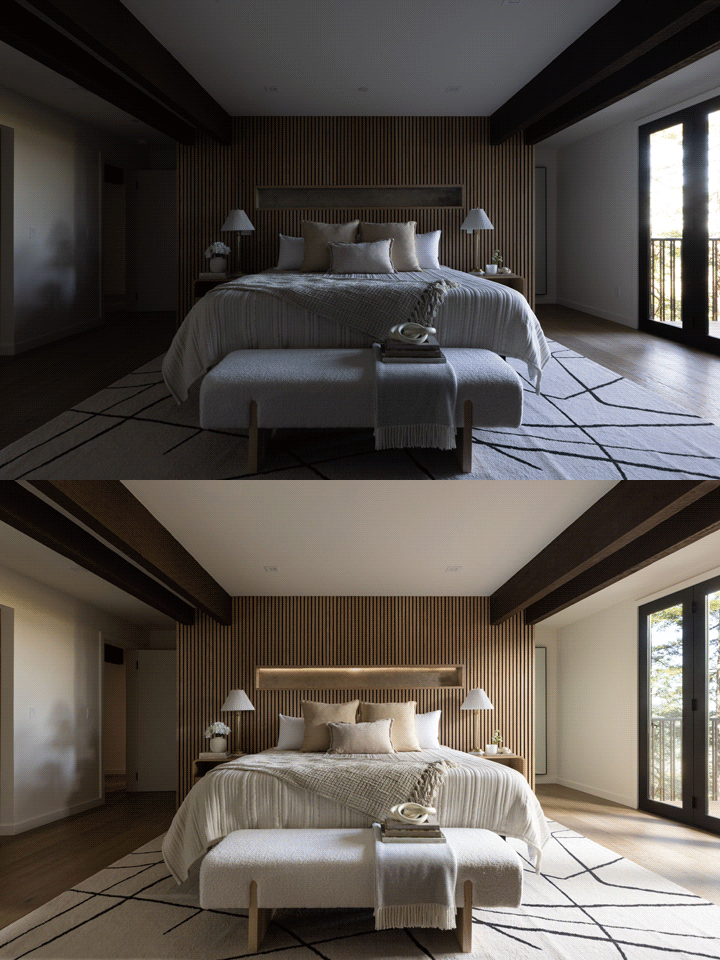
5 | Post-Production
Post-production is where the work is refined and unified.
Everything captured on site is brought together into a cohesive visual language. The goal is not to change the space, but to clarify it. To reinforce what was already there and ensure the final imagery feels consistent across every frame and format.
For photography:
Color grading and tonal balance
Perspective correction and vertical alignment
Retouching to clean and simplify the frame
Subtle shaping of light and contrast to enhance depth
Each image is approached with restraint. Natural light is preserved, materials read accurately, and the integrity of the architecture remains intact. Adjustments are made to support clarity and focus, not to stylize or dramatize the space beyond what it actually is.
For video:
Story structure and pacing
Music selection and sound design
Color grading across all clips for consistency
Integration of drone, lifestyle, and architectural footage
Video is where everything comes together narratively. It’s not just a sequence of clips, it’s a progression. How the viewer enters the space, moves through it, and experiences it over time is carefully considered.
A key part of post-production is consistency across the full deliverable set. Photography and video should feel like they belong to the same project, not separate efforts. Color, tone, and overall atmosphere are aligned so the work presents as one cohesive body.
The goal is not to reinvent the space, but to bring clarity, depth, and cohesion across the final deliverables, creating imagery that feels both accurate and elevated.
6 | Delivery & Asset Strategy
Final assets are delivered with real-world use in mind.
This isn’t just about handing off files. It’s about creating a library of visuals that can be used across multiple platforms, teams, and timelines without friction.
Files are prepared for:
Leasing websites and ILS platforms
Social media and digital campaigns
Press, awards, and editorial submissions
Long-term brand and portfolio use
Each image and video is exported with flexibility in mind, ensuring it can perform across a range of formats without compromising quality. Whether it’s a hero image on a leasing page, a cropped social post, or a still pulled from video for marketing, the assets are built to adapt.
Multifamily marketing today relies heavily on strong visuals. Most prospective renters form their first impression online, often before ever stepping foot on the property. The quality, clarity, and consistency of the imagery plays a direct role in how a project is perceived and how effectively it leases.
Beyond initial delivery, I structure licensing so usage is clearly defined while remaining flexible as needs evolve. Many clients return to the same image sets months or even years later for new campaigns, press opportunities, or portfolio use. Having a well-organized and thoughtfully captured library makes that possible.
The goal is not just to deliver images, but to create a visual foundation that continues to work for the property over time, supporting both immediate leasing efforts and long-term brand value.