
How to Get More from Your Architecture and Real Estate Photography
A practical guide for developers, designers, and commercial real estate teams who want their visual content to work harder
Great photography and video don't happen by accident. The projects that produce the strongest imagery - the kind that drives leasing, wins awards, and builds long-term brand equity - almost always share one thing in common: they were planned that way.
For multifamily developers, architects, interior designers, and commercial real estate teams, visual content has become one of the most consequential investments you make in a project. It shapes first impressions, supports marketing across multiple platforms, and often outlasts the campaign it was created for.
This guide is built to help you get more from that investment - not by spending more, but by planning with more intention.
Start with the Goal, Not the Shot List
The most common mistake in architectural photography is treating it as documentation rather than strategy. A shot list matters, but it should come after a more important question: what does this content need to accomplish?
For a lease-up, the priority might be fast, clean imagery that performs on ILS platforms and drives traffic. For a new development launch, it might be a brand-defining body of work that positions the property within a competitive market. For an architecture firm, it might be portfolio imagery that attracts a specific type of project.
Each of these calls for a different approach. Defining the goal early shapes everything that follows - what you shoot, when you shoot it, and how the final assets are used.
What to do: Before the shoot is scheduled, define one or two primary goals for the content. Share them with your photographer from the first conversation.
Know How the Space Is Meant to Be Experienced
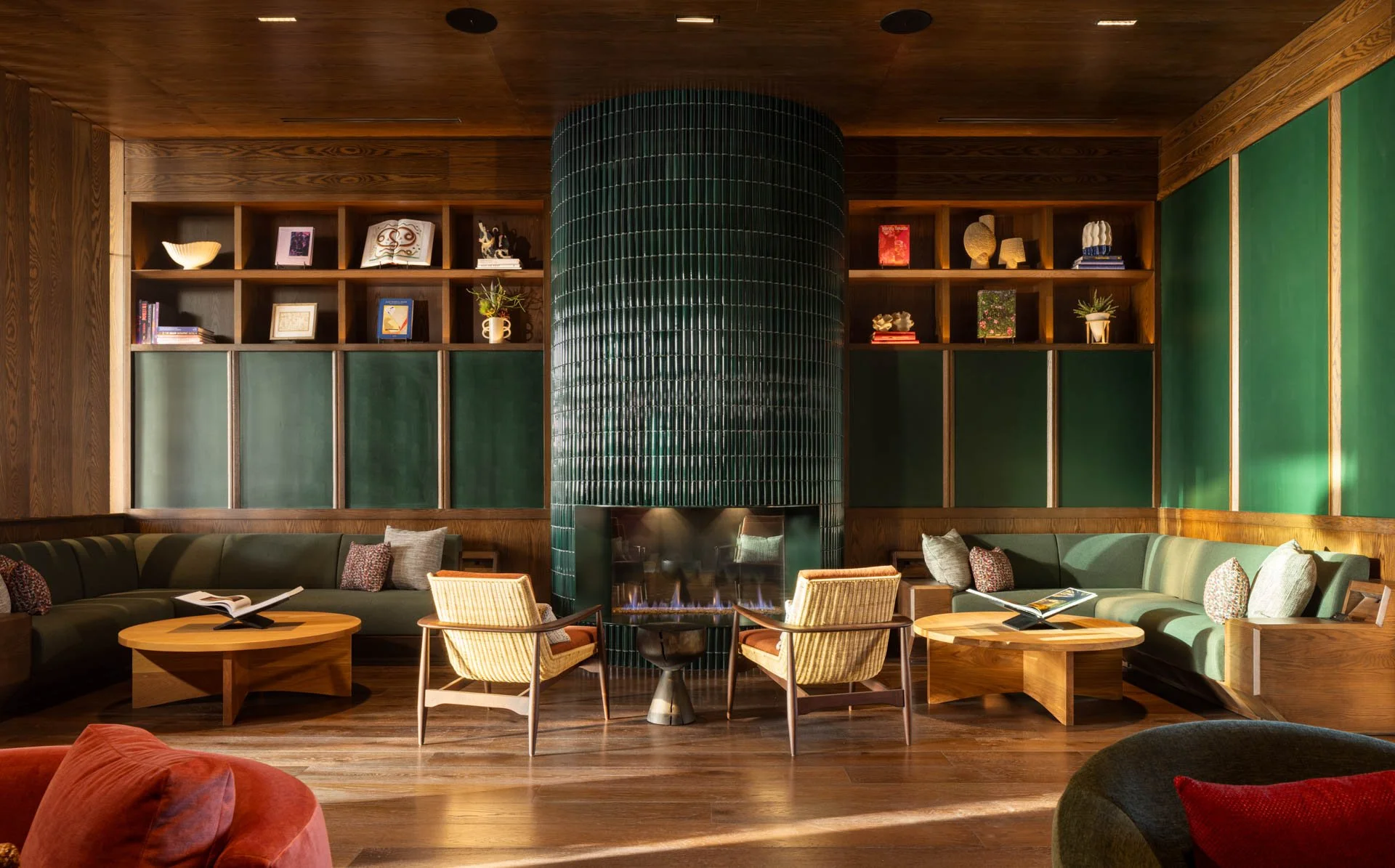
Strong architectural imagery comes from understanding a space before photographing it. That means knowing how light moves through it, what the architecture is trying to say, and how a person is meant to feel when they're inside it.
This is especially important for multifamily and commercial projects where the photography needs to communicate not just what the space looks like, but what it's like to be there. A leasing prospect, a design jury, and a press editor are all looking for something slightly different - and the best imagery anticipates that.
What to do: Walk through the project with your photographer before the shoot. Talk about the design intent, the audience, and the moments that matter most. The more context they have, the more intentional the work will be.
Plan Around Light, Not Around Convenience
Timing is one of the most undervalued decisions in architectural photography. The difference between imagery that feels flat and imagery that feels alive is often just a matter of when the shutter opened.
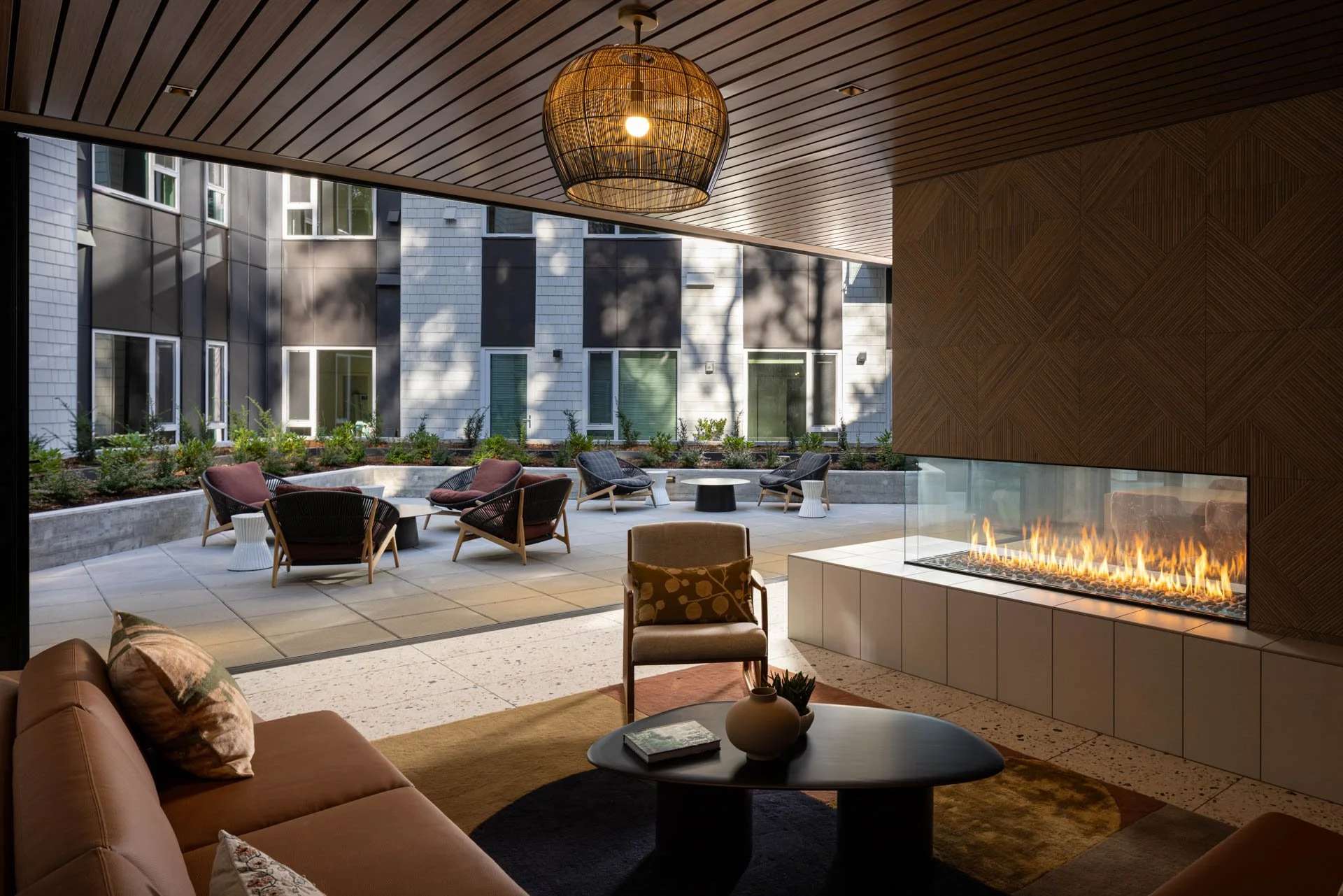
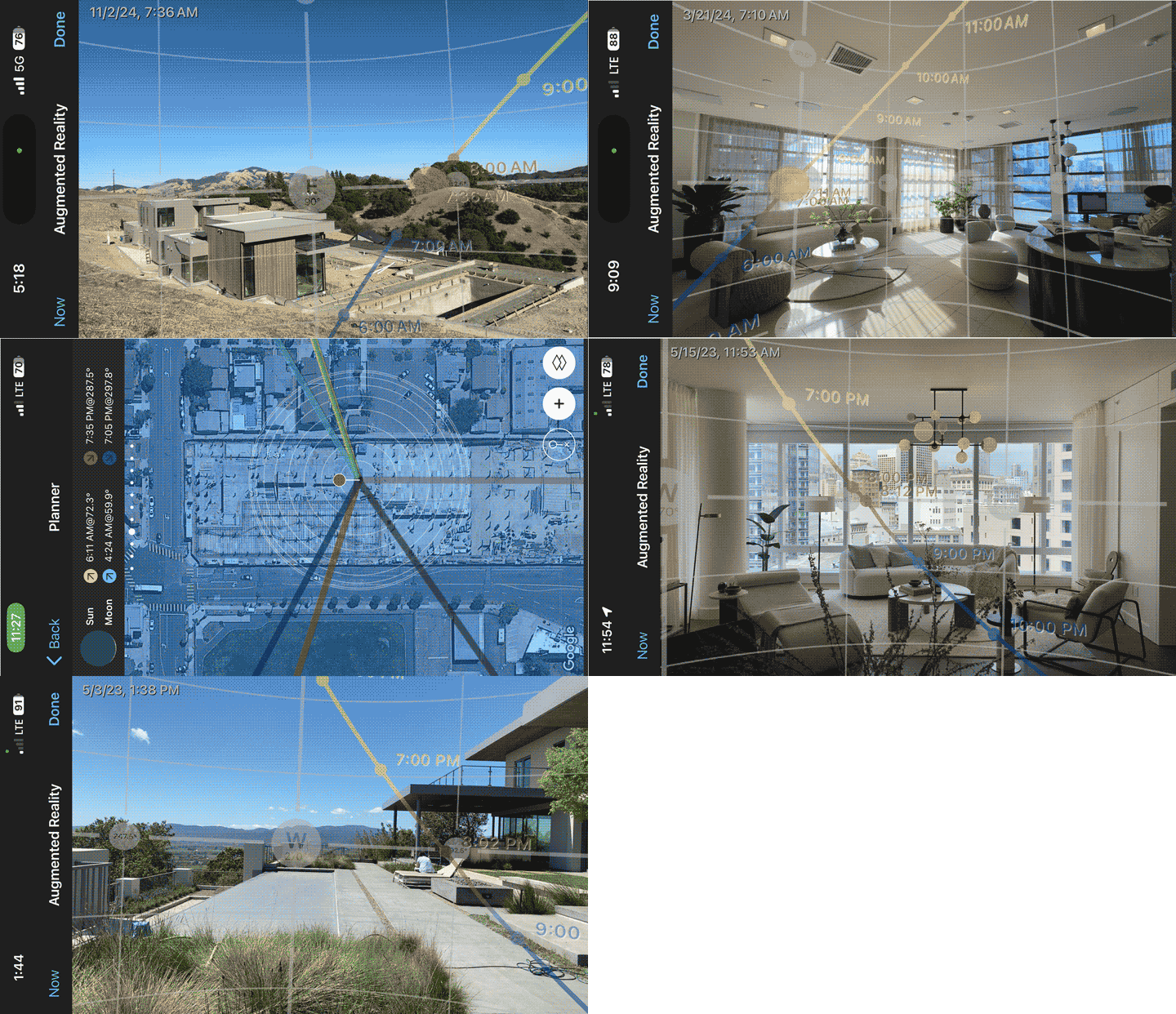
Natural light changes significantly throughout the day, and every space responds to it differently. South-facing interiors may be best captured in the morning. Exteriors might need late afternoon or twilight. Amenity spaces might require a combination of natural and supplemental light to read correctly on camera.
Planning around light rather than around schedule convenience takes more coordination, but the results reflect it consistently.
What to do: Ask your photographer about sun orientation and optimal timing before finalizing the schedule. Build the shoot day around light first, logistics second.
Think About Talent and Styling Before You're on Set
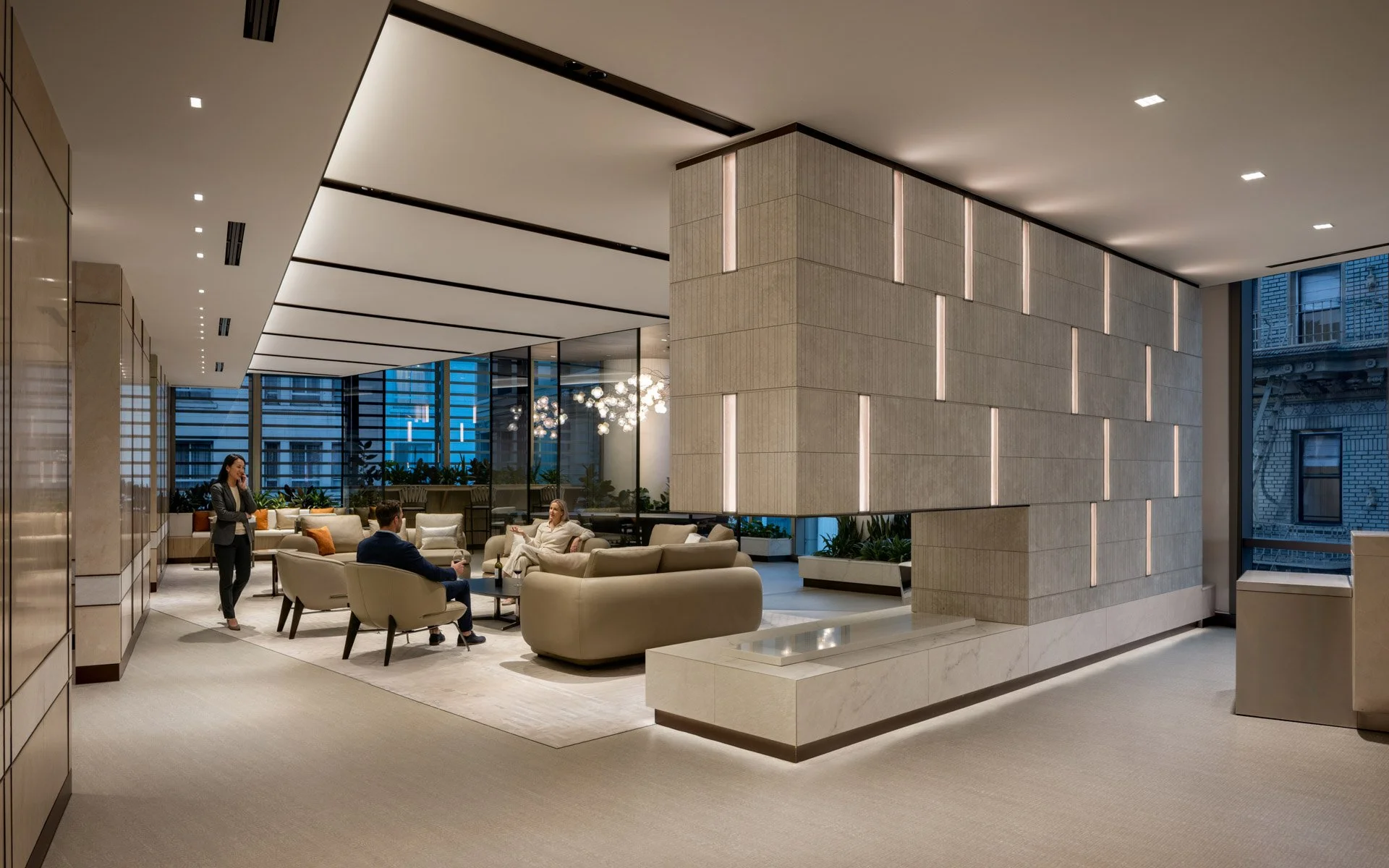
Lifestyle moments - when they're done well - can be one of the most powerful elements in a multifamily or hospitality shoot. They bring scale, warmth, and a sense of use to spaces that might otherwise feel empty or staged.
But talent and styling decisions made on the day of the shoot rarely work as well as those planned in advance. Wardrobe, casting, and direction all need to align with the tone of the project. The goal is not to fill a space with people, but to suggest how it actually feels to live or work there.
What to do: If talent is part of the plan, lock in casting and wardrobe during pre-production. Brief the talent on tone and intent before they arrive on set.
Use One Shoot to Build a Library, Not Just a Campaign
The most efficient content strategies treat each shoot as an opportunity to build a visual library, not just satisfy an immediate need. Photography and video captured today can support leasing next month, a press submission six months from now, and a portfolio update a year from now.
This requires a small amount of additional planning upfront - thinking through what formats you'll need, what platforms you're creating for, and what other teams might need access to the assets down the line.
What to do: Before the shoot, identify every team that might use the content - marketing, leasing, design, PR. Build coverage with those use cases in mind.
Understand What You're Licensing
Licensing is one of the most overlooked parts of a photography engagement, and one of the most important. How and where you can use imagery, who can share it, and what happens when usage needs to expand are all questions worth asking before the contract is signed.
For projects involving multiple stakeholders - developers, architects, interior designers, contractors - clarity around licensing prevents confusion later and ensures everyone can use the work they need without friction.
What to do: Clarify usage rights upfront. If other project collaborators will need access to the imagery, factor that into the licensing conversation early.
Measure the Right Things
Surface metrics - likes, impressions, follower counts - matter less than the outcomes they're connected to. The more useful questions are: Is this content attracting the right clients? Is it supporting leasing? Is it positioning the project the way we intended?
For architecture and real estate specifically, the long-term value of strong imagery often shows up in ways that are harder to quantify - press coverage, award recognition, referrals, and the quality of inbound inquiries.
What to do: Track where new inquiries originate. Note which imagery generates the most meaningful engagement. Let that inform how you plan the next shoot.
Closing
Every project starts with a conversation
Strong visual content is a long-term investment in how your work is perceived. Whether you're launching a new development, building a portfolio, or positioning a property in a competitive market, the process behind the imagery matters as much as the imagery itself.
If you're planning a shoot or want to talk through how to make your next project perform visually, I'm happy to connect.
Start a conversation